
 By
By 
Food, flamenco and fire
“Dive deep with the tapas, and don’t feel you must eat paella.”
So advised our guide and Spanish tutor Oscar. To help my halting Spanish (three years of learning and not much more than “dos cerveza por favor”) K had booked a tour where a personal guide showed us the sights of Seville’s historic Santa Cruz district, chatting in Spanish or English (and a bit of Spanglish).

It helped that he doubled as a chef and gave us excellent dining advice- which we followed. He also said, if we should do one touristy thing, it should be to visit the Real Alcazar that dominates the Santa Cruz Barrio of Andalusia’s largest city- more to follow.

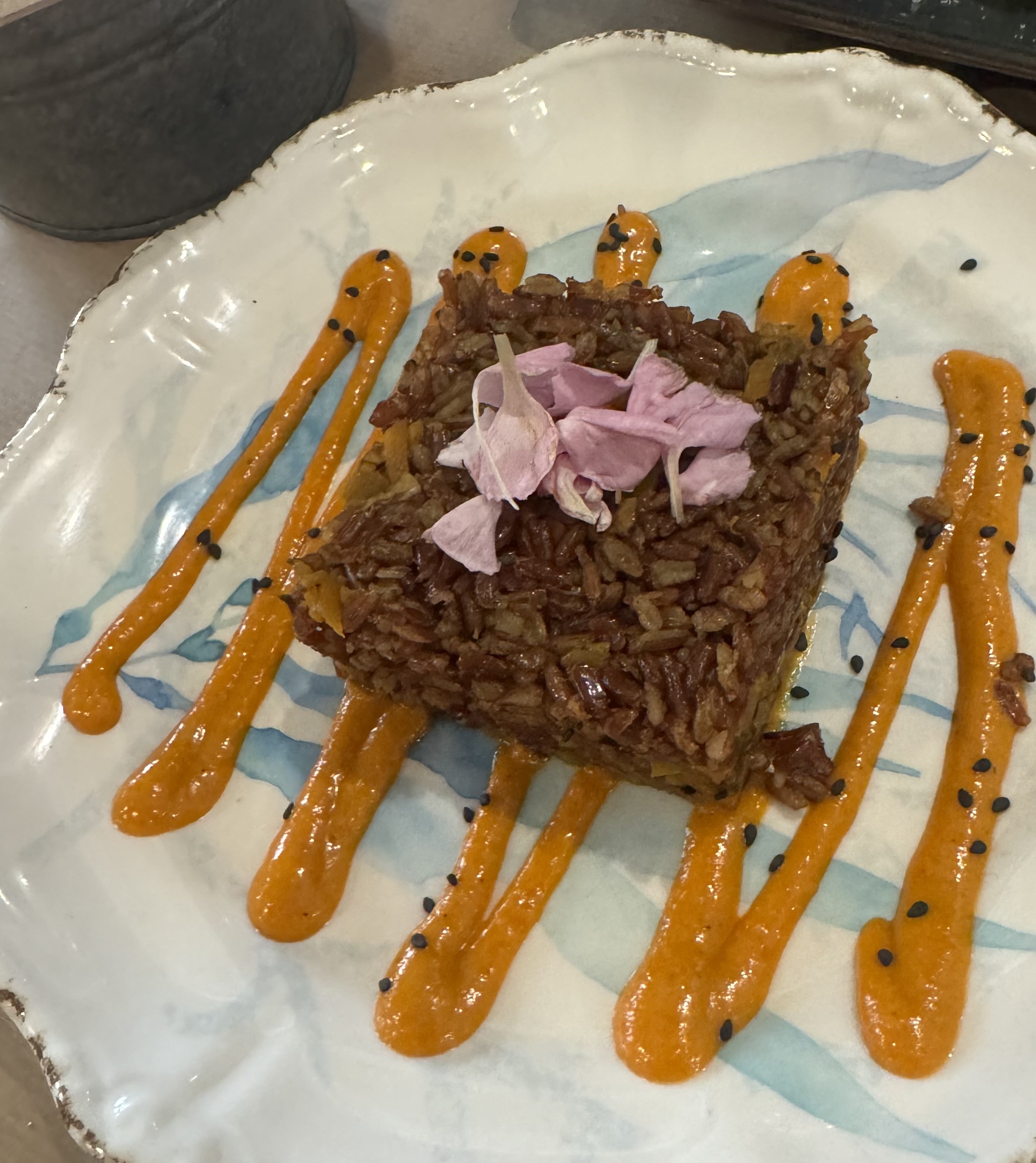
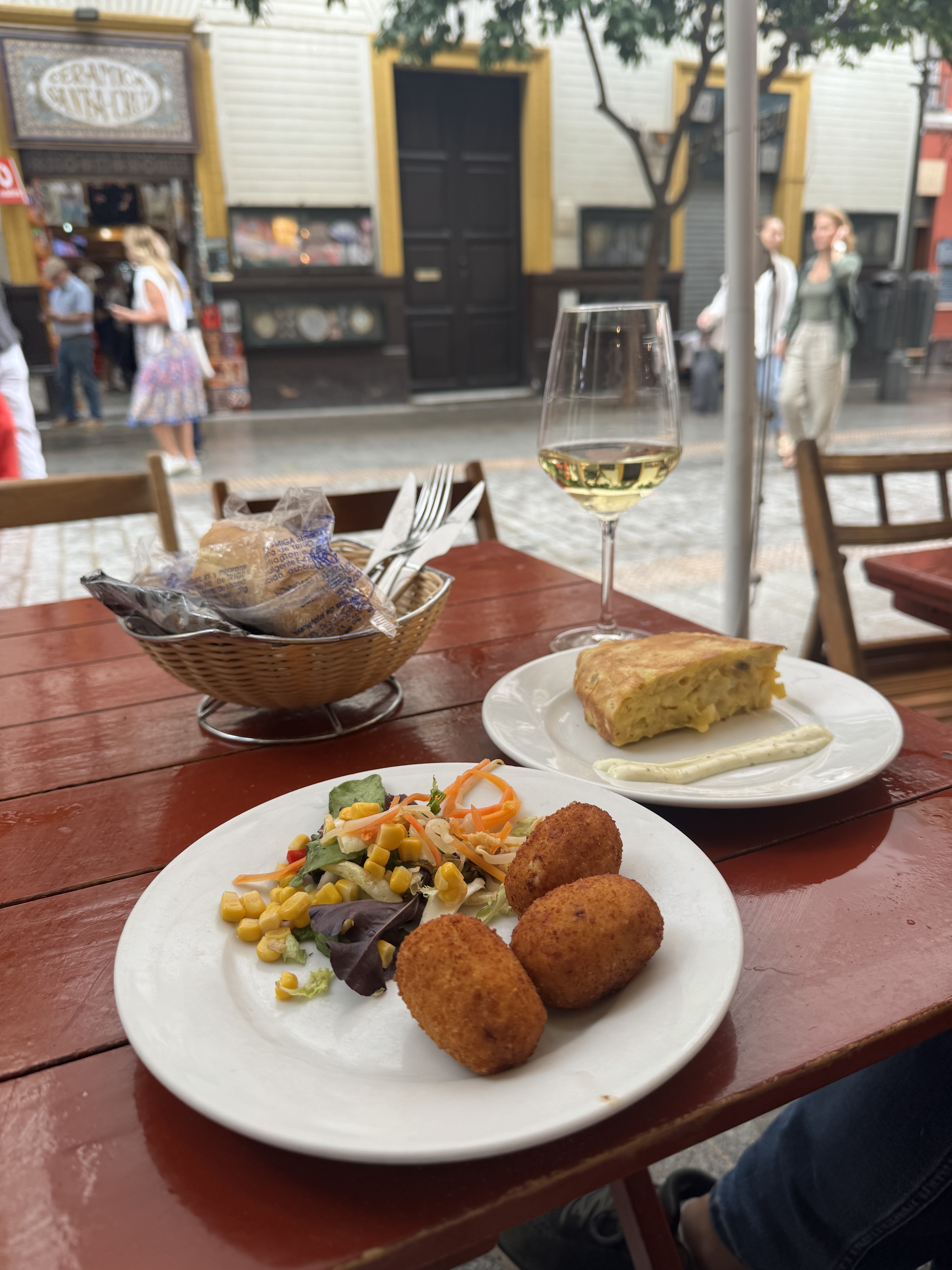
So, the food. Whereas gazpacho (cold tomato soup) is ubiquitous throughout Spain, Andalusia in Southern Spain has its own variant- salmorejo- chilled, creamy deliciousness topped with optional shredded boiled egg and diced jamon, Iberian ham. A reviving tonic after pounding the cobbled medieval streets.

Most bars and restaurants offered their dishes either as tapa (small portions) or plato (large plates). Tapas provided the opportunity to sample more local fare. Traditional dishes included pork or fish stews and croquettas of every possible variety. More modern tapas invoked Asian flavours such as Thai curry or Teriyaki melded with Mediterranean technique and ingredients: paella rice, aubergine, tomato and paprika. Of course, no visit to Spain is complete without the obligatory patatas bravas and sangria.
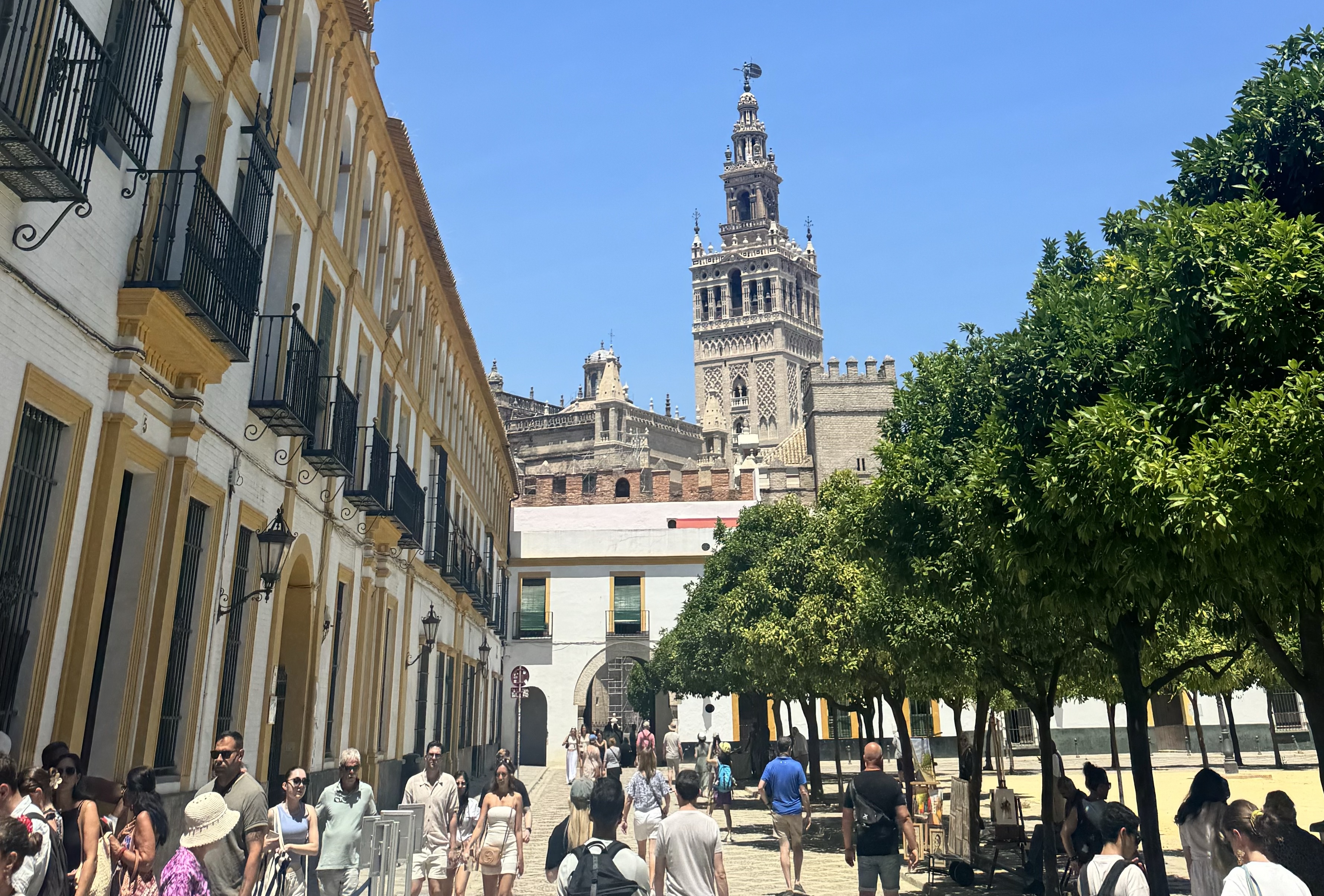
Having lunched late (2-3 pm) it was siesta time as the shops’ shutters came down, leaving the touristic hordes to fry in the heat of the day.
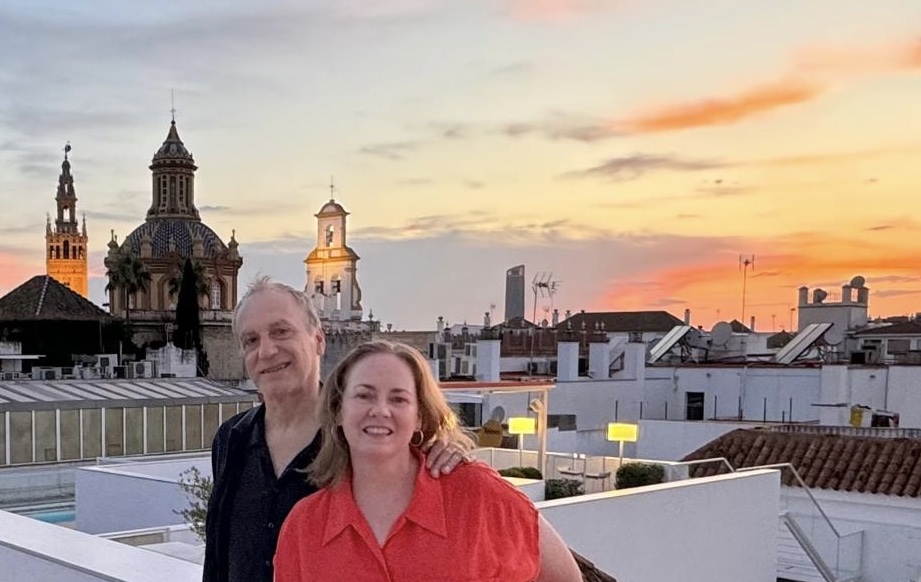
Like the locals we didn’t venture out again until at least 8 or 9 pm- maybe having a Seville orange gin on the rooftop bar before tapas dinner on the move or a flamenco show.
Flamenco, designated UNESCO Intangible Cultural Heritage status, originates in Andalusia, and Seville offers different ways to experience it. There are the formal tablaos– offering highly polished shows often with dinner included and popular with tourists. We attended a show at the elegant Tablao El Arenal Seville.

No photos inside the venue are allowed so recommend visiting their website for videos and explanation of the art form.

We were lucky that my cousin who had lived in Seville gave us a tip off about La Carboneria. Hidden away in Santa Cruz’s labrynthine alleyways, this informal venue offers free shows of improvised flamenco to a mixed crowd of backpackers (hey, it’s free), tourists and locals with the relaxed vibe of a bar or beer garden.
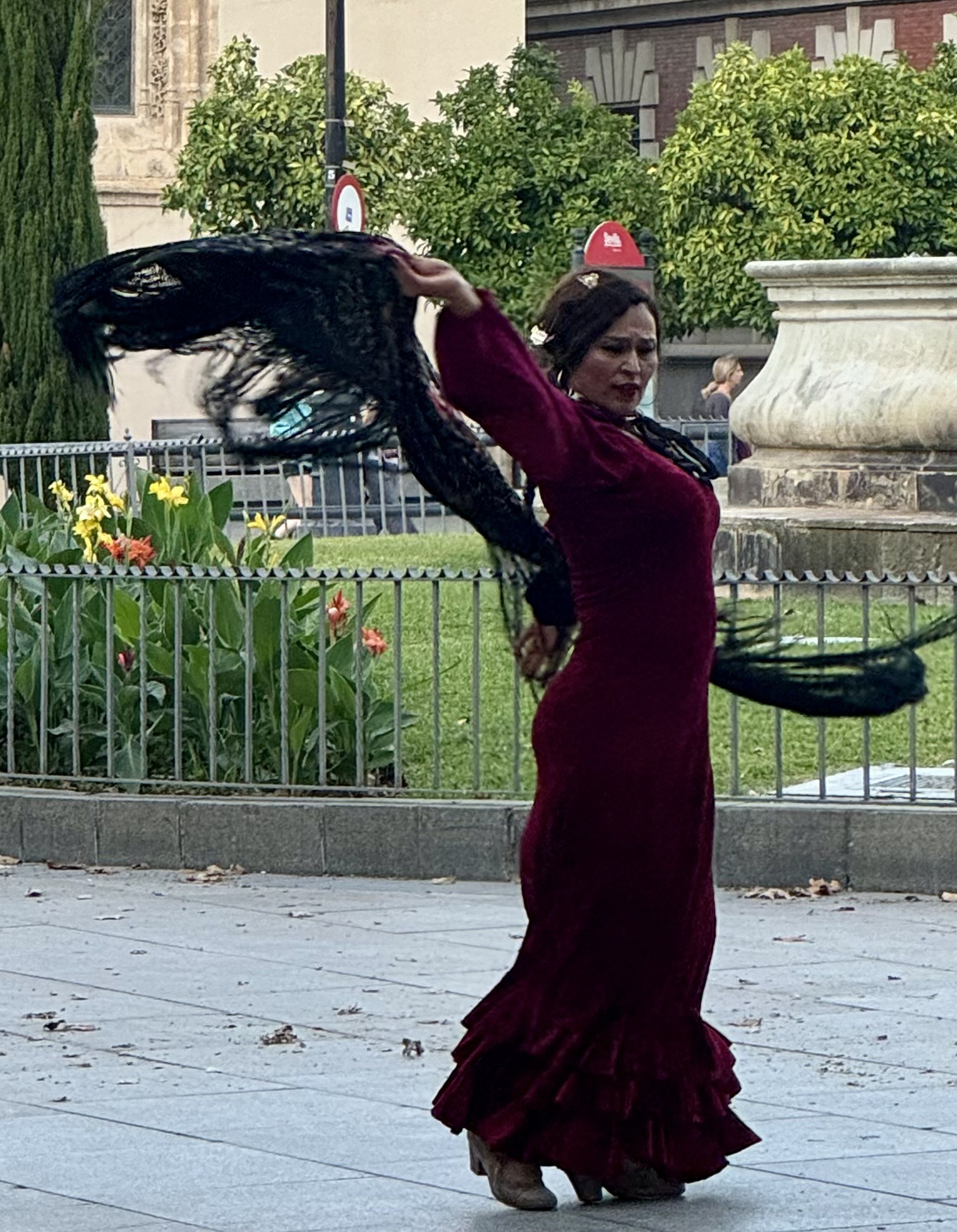

Flamenco is everywhere. As we ambled in the evening there were impromptu street performances- I even did a turn myself- prompting a sarcastic- or was it appreciative? bout of clapping from the outdoor bar of Hotel Rey Alfonso XIII, the poshest hotel in Seville.

Food, flamenco and Fire?
Fire?
Be warned, it’s Europe’s hottest city, but the fire here refers to clay firing.

Since before medieval times the muddy western bank of the River Guadalquivir that snakes through the city has provided “blue clay” giving rise to the myriad potteries of Triana.
In the Ceramic Museum, a former pottery factory, we strolled amongst the disused wood-fired kilns, learning about the thousand year history of the craft and watched moving video testimonies from long term factory workers: the potters, the decorators and kiln operators.

A stroll down the street revealed working pottery workshops (you can spot the potters easily from the clay plastered over their clothes or bare skin), local cervecerías (bars), and- of course- ceramics shops. By happy accident we came to the Ceramic Museum, before our visit to the Alcazar, increasing our appreciation of the palace’s amazing range of tiles inspired by esoteric Moorish geometry and Christian iconography.
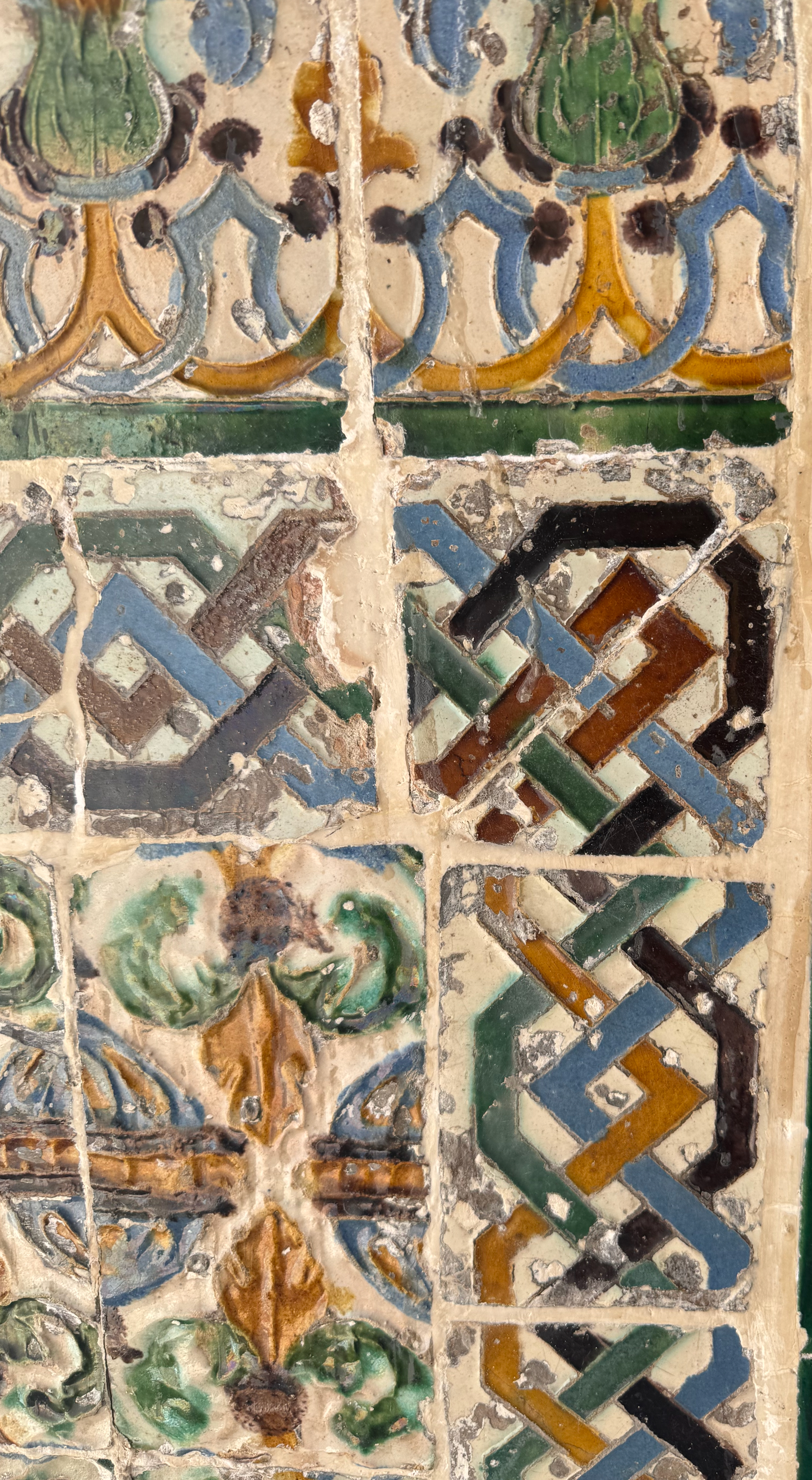
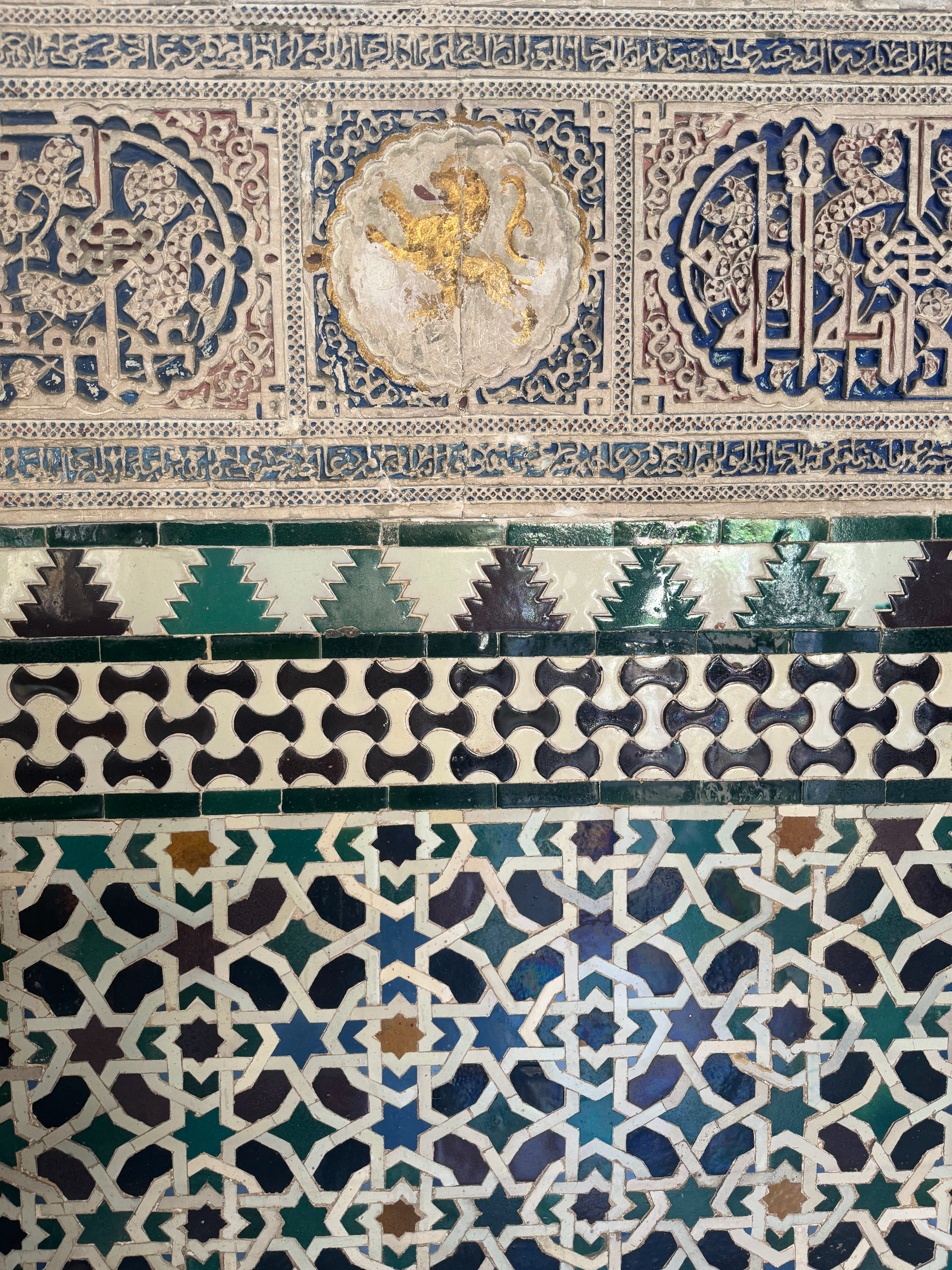
So we left Seville’s greatest attraction to last. Our online tickets to the Alcazar also gave entry to the Ceramic Museum. Be sure to use the official website (tickets €14.50), not numerous rip-off imposters.

Despite the crowds, the Real Alcazar was astounding- and we didn’t even read the guidebook- just wandering and getting lost (literally) in its many halls, chambers, courtyards and gardens, and firing our imaginations.
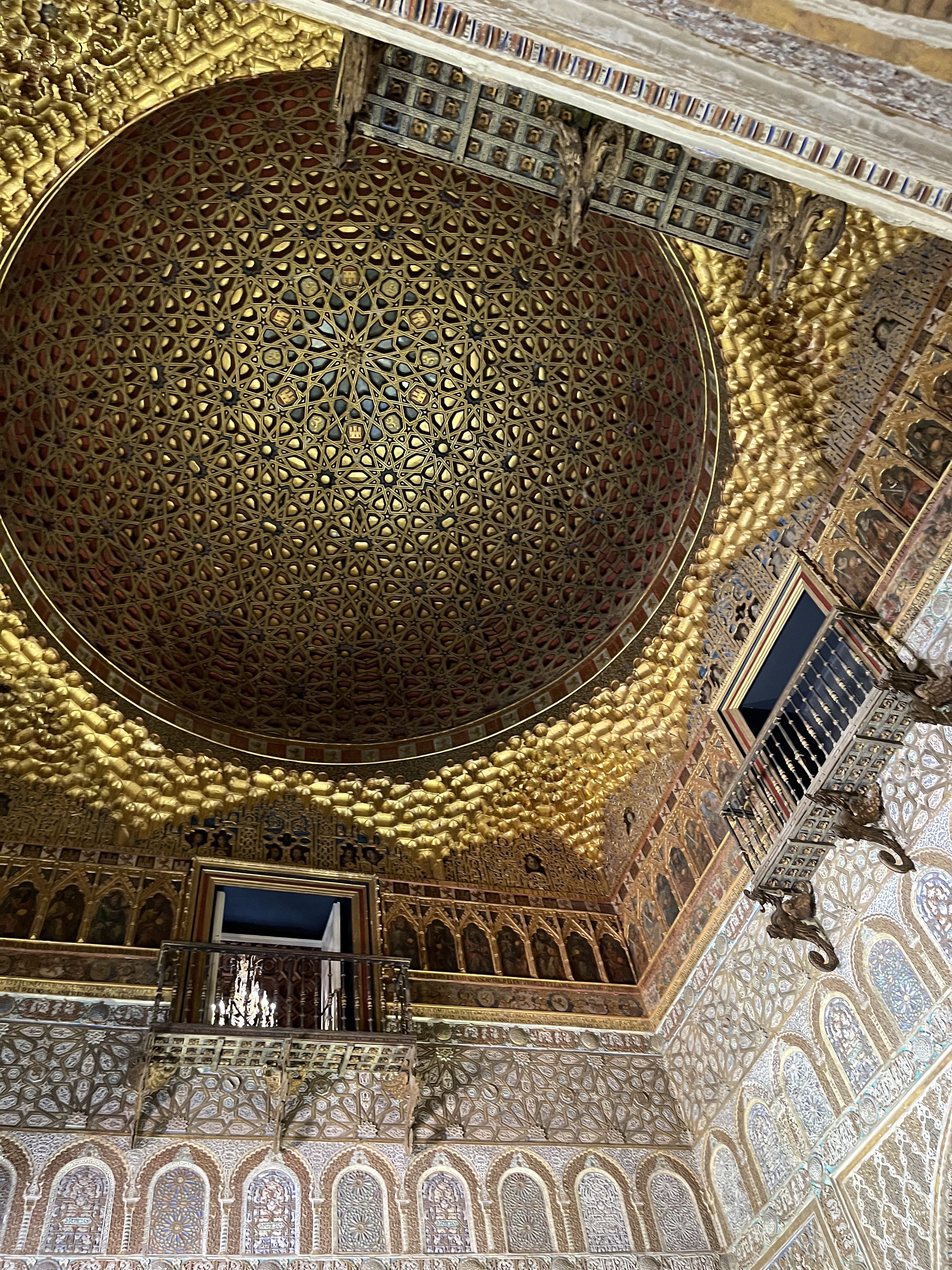
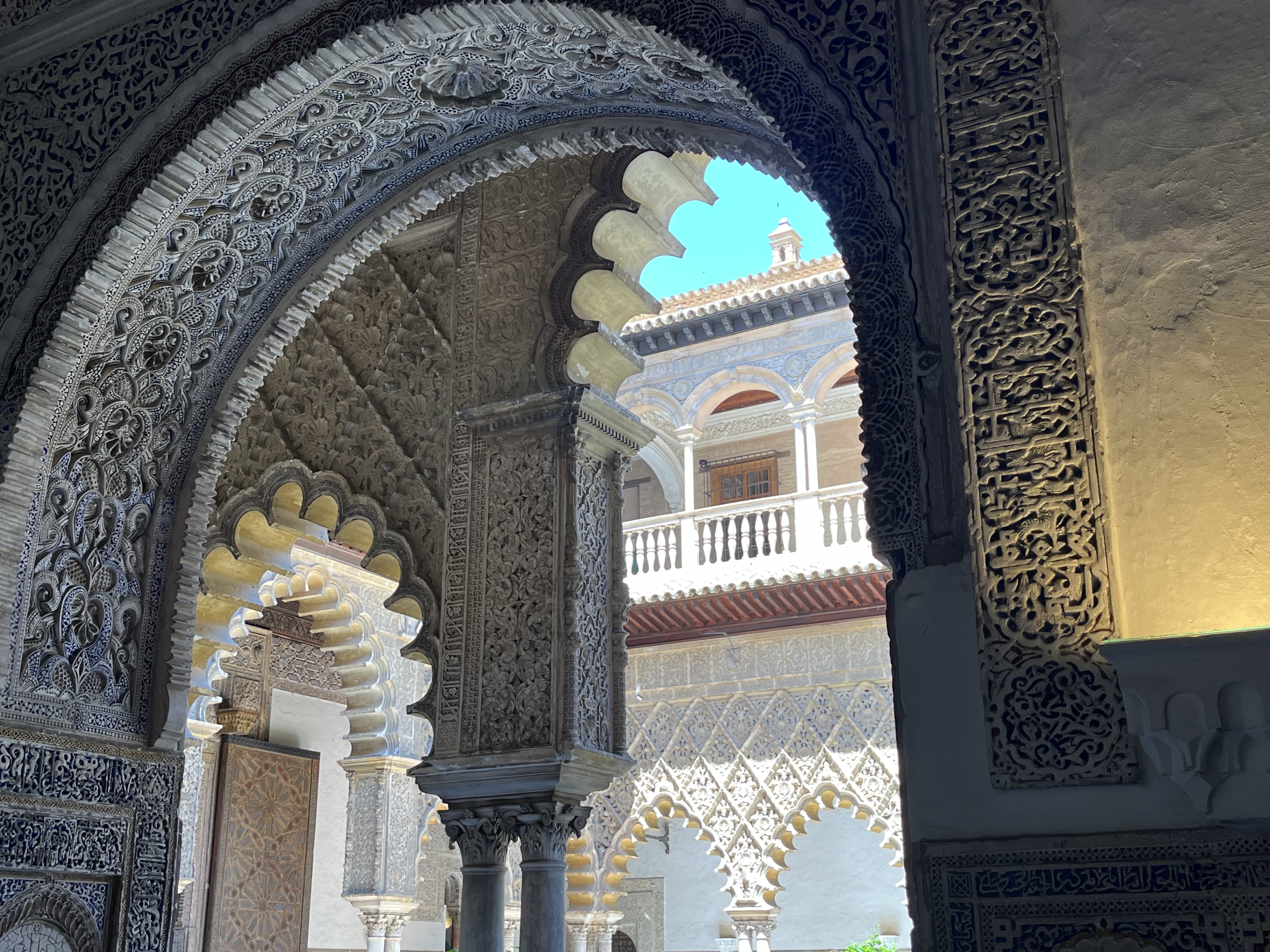
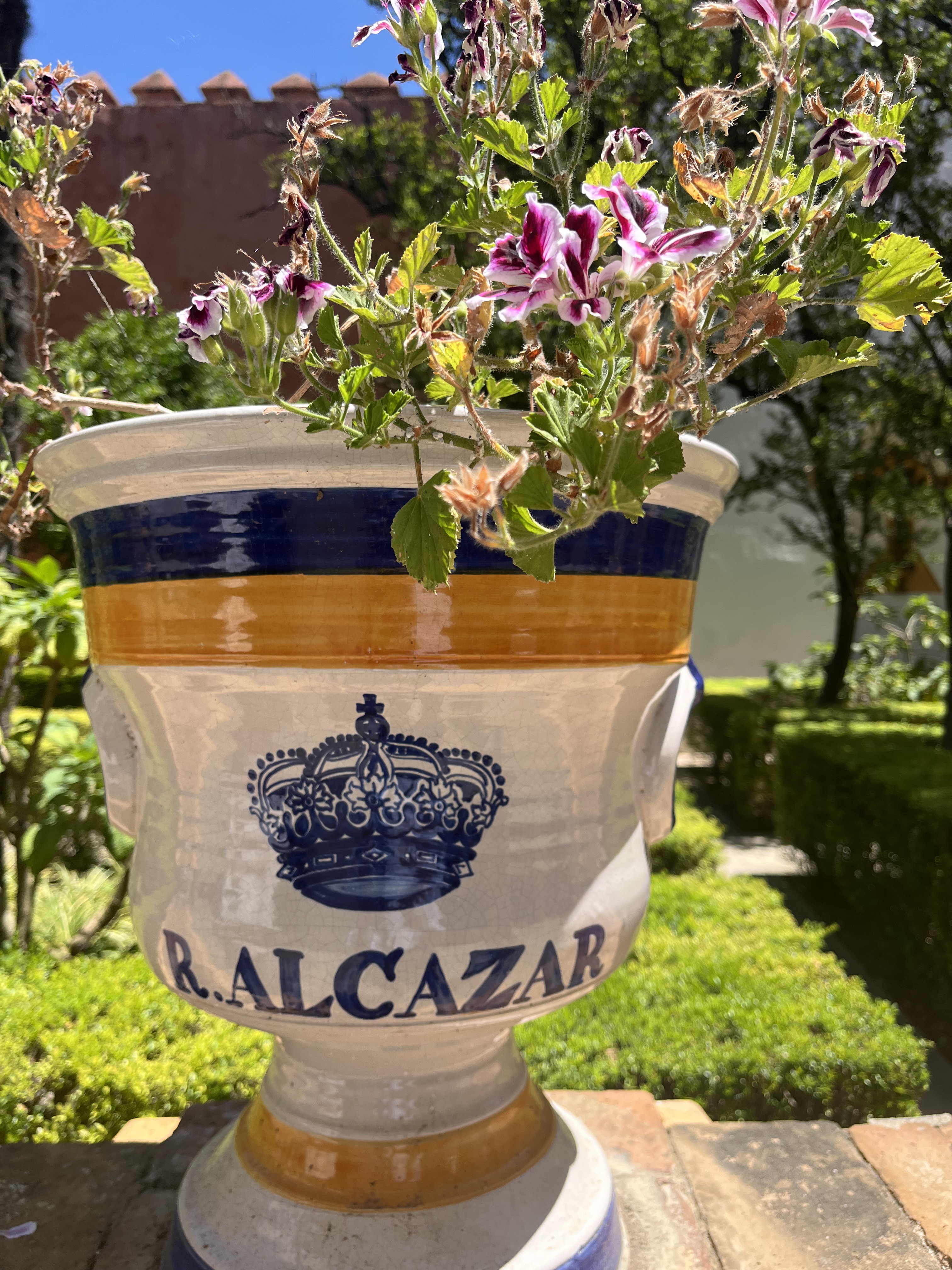
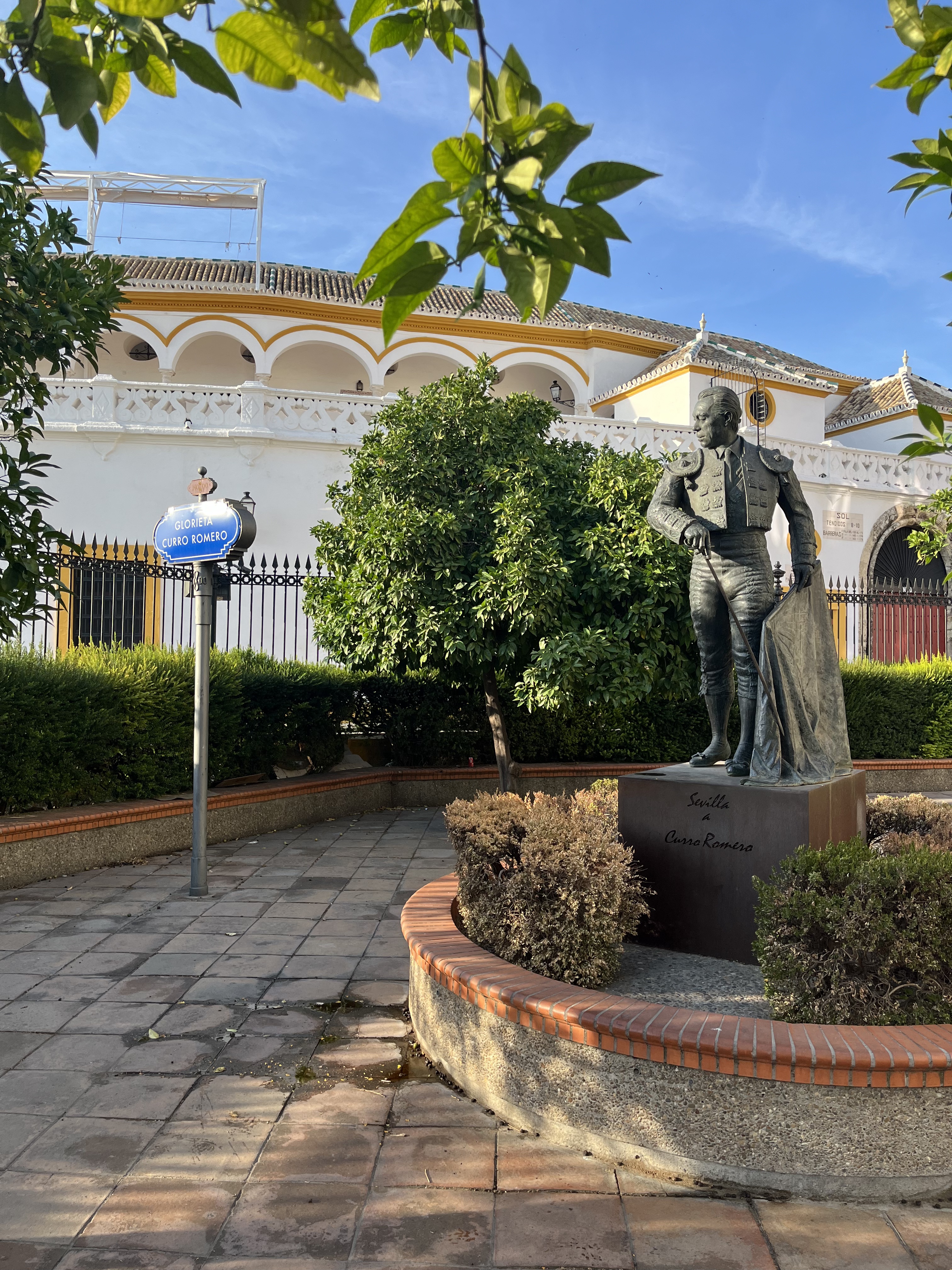
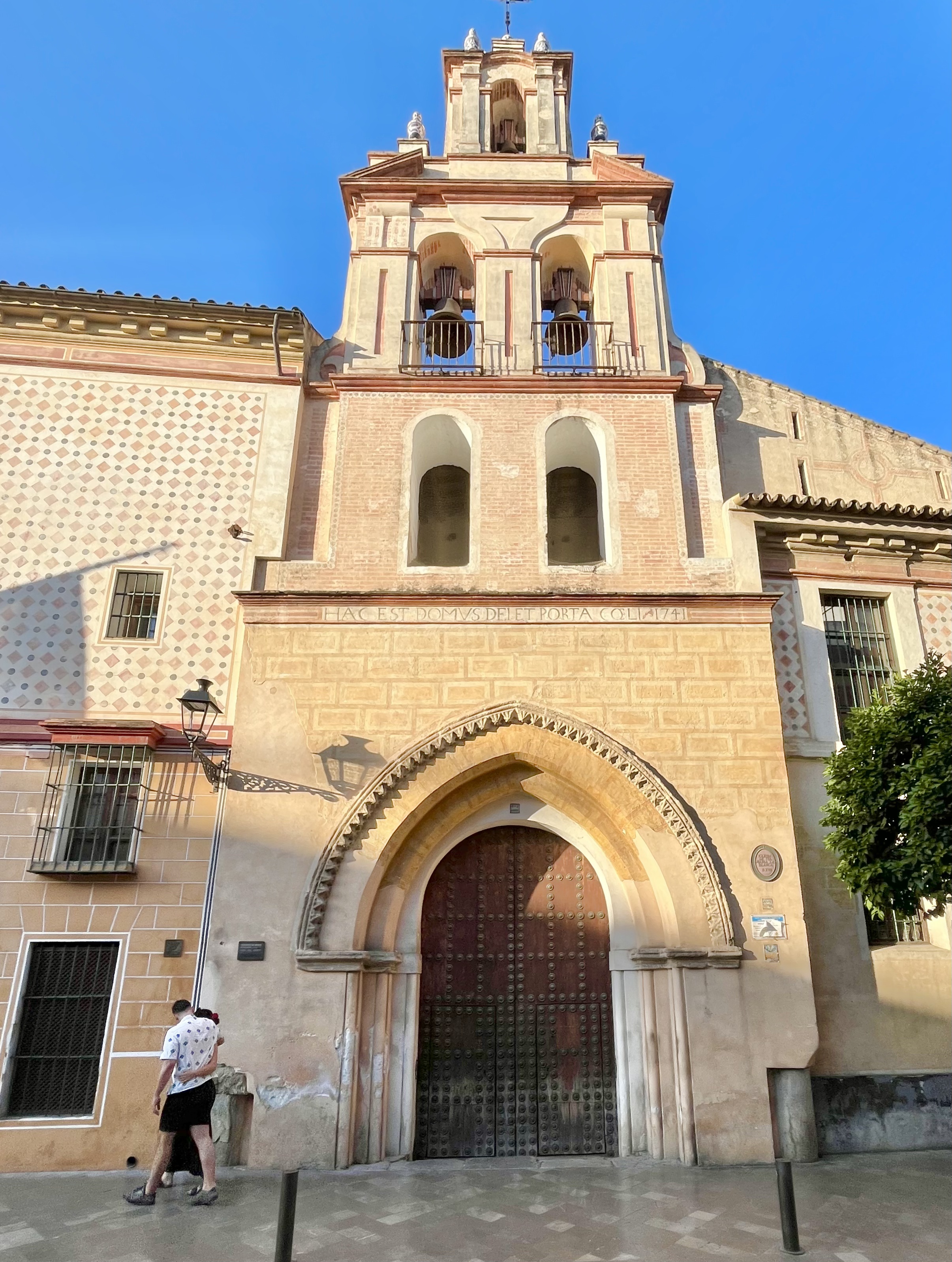
Seville: food, flamenco and fire made it a fabulous short trip destination (and we’ll not mention bull fighting or the Spanish Inquisition). Ole!

 Dr D in Oz
That is super Donald. I love Sevilla and it seems that you have delved deep. A wonderful post capturing its essence.
We leave this Thursday. Not visiting Spain this year 😢 but we will spend more time in Italy and go to a wedding so I’m trying to resurrect some Italian. It’s making my brain swirl. I’ll be talking Itaspanglish. 😆
I hope this reply isn’t too long. I will keep following you. How long are you there? Disfruta. 💃
Judy, Monday conversation. X
LikeLiked by 1 person
Thanks Judy,
Safe and happy travels.
LikeLike